Modern life pushes us to move fast, react quickly, and stay connected to screens almost all day. It is easy to think of gaming as just another digital distraction, but under the right conditions, play can become a surprisingly restorative part of your weekly rhythm. A thoughtful game night—especially one built around a comfortable physical setup—can offer structure, connection, and even moments of calm focus that feel very different from doom‑scrolling or background noise entertainment.
Why Intentional Play Helps You Unwind
There is growing recognition that games, when chosen deliberately, can support stress relief and mindfulness. Many players describe entering a state of deep concentration where worries about work or daily life fade into the background while they focus on the next move, the unfolding story, or the cooperation needed to beat a tough scenario. This kind of sustained, present‑moment attention is closely related to what mindfulness practices try to cultivate.
Unlike passive consumption, interactive play asks you to participate. You read the board, notice patterns, listen to other people at the table, and respond creatively. Done in moderation and with intention, that immersion can give your mind a break from rumination and help you reset. Studies and commentary on mindful gaming suggest that structured play can reduce perceived stress and improve mood, especially when combined with social interaction and clear boundaries around time.
Turning Routine Evenings into Restorative Rituals
The difference between a draining session and a nourishing one often comes down to structure. Setting a clear start and end time, choosing games that fit your energy level, and creating a comfortable physical environment all help. When everyone knows they are gathering for a relaxed, shared experience—not an endless grind—it becomes easier to treat game night as part of a broader self‑care routine rather than an escape from it.
Over time, these small choices can transform an ordinary weeknight into a quiet ritual. You show up, sit down at a familiar table, and feel your body recognize the pattern: here, for a few hours, the only things that matter are the people in front of you and the world you are building together.
The Role of a Thoughtful Gaming Table in Mindful Play
It is easy to overlook how much your physical setup influences your mental state. A cramped, unstable surface can make even a light game feel hectic. Components slide around, people bump elbows, and everyone has to lean at odd angles just to see what is happening. That low‑level discomfort pulls attention away from the experience and back into frustration with the environment.
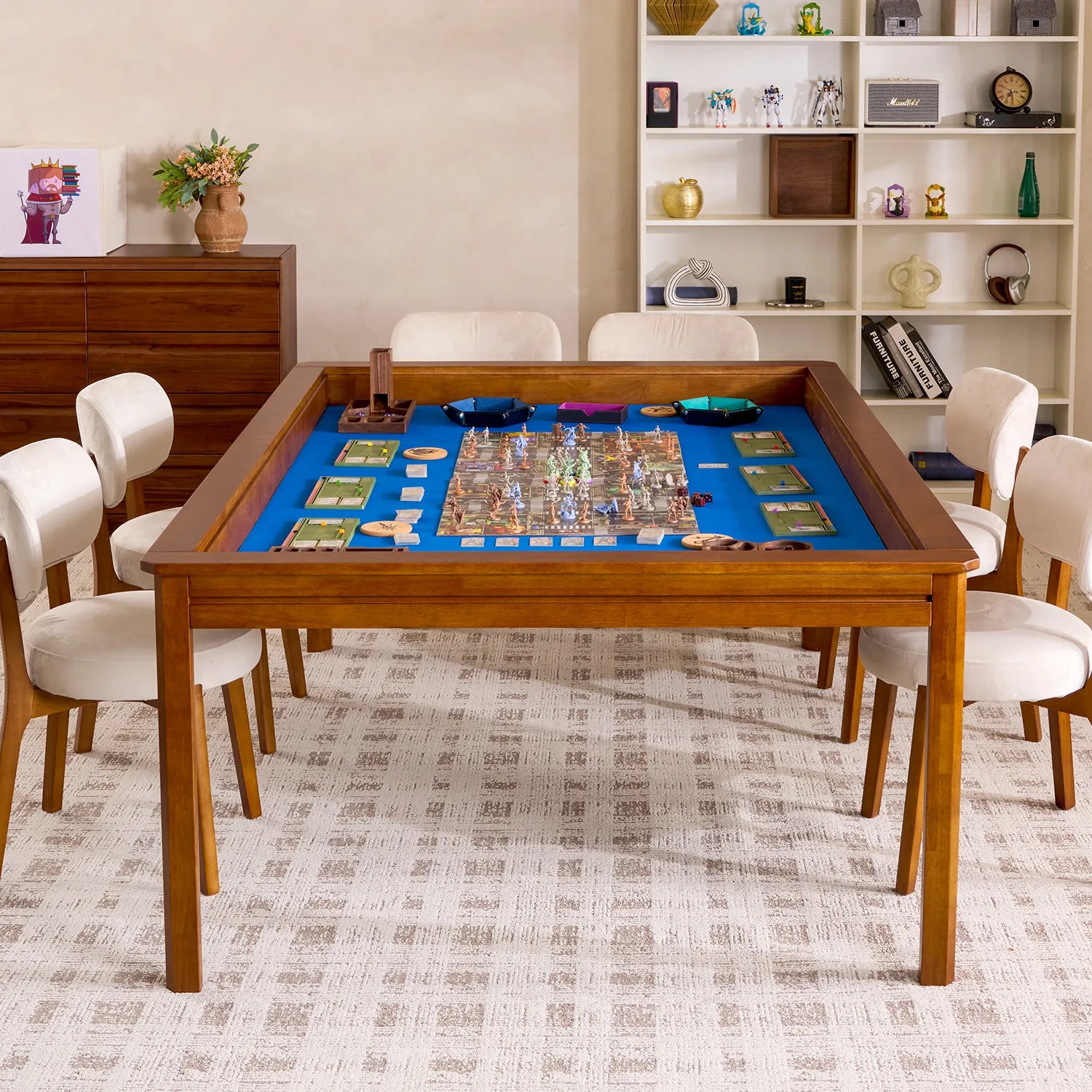
A well‑designed Gaming Table approaches things differently. Built specifically for board games and tabletop experiences, it tends to offer a stable surface, generous play area, and comfortable edges where your arms can rest during long turns. Reviews of modular tables like BoxKing’s Ironside and Kingswood lines highlight their sturdy construction and the way they support multi‑hour sessions without wobble or clutter.
Creating a Physically Calm Space
Physical comfort is a foundation for mental ease. When everyone has enough room for character sheets, player boards, or card displays, the table feels less chaotic. Integrated features like recessed play areas, toppers, or rails can keep components contained and drinks safely out of the way, reducing the constant micro‑stress of “don’t bump the board.”
Lighting and seating work hand in hand with the table itself. A surface that pairs well with soft, even lighting makes icons easier to read and helps players stay relaxed. Chairs at a comfortable height relative to the tabletop reduce strain on the back and shoulders. Taken together, these details allow you to stay immersed in the game world without your body constantly reminding you that something feels off.
In that sense, choosing a Gaming Table is not only about aesthetics; it is about crafting a physical environment that quietly supports focus, connection, and rest.
Blending Play, Health, and Everyday Life
For many people, the biggest challenge is not understanding the benefits of mindful gaming, but fitting it into a busy schedule. This is where multi‑purpose design becomes valuable. Tables that can handle both everyday tasks and deep play sessions make it easier to justify keeping a dedicated space for games in a small apartment or shared living area.
Some modern designs, including adjustable or modular gaming tables, are built specifically for this flexibility. They can shift height for work, dining, or play, and often feature toppers that hide or protect in‑progress setups. That means you can leave a long campaign safely tucked away while still using the same surface for meals or laptop work during the day.
Setting Gentle Boundaries Around Your Hobby
When your furniture supports both play and everyday life, it becomes easier to set healthy boundaries. You might reserve certain evenings for group sessions and others for solo relaxation, or decide that once the toppers go on, the table returns to “work mode.” These small rituals help prevent gaming from spilling into every spare moment, while still honoring it as something that enriches your week rather than competing with your responsibilities.
Using the same physical space for different roles can also serve as a subtle reminder to check in with yourself. Before you remove the toppers, you can ask: “Do I have the energy for a focused session tonight, or would a quieter activity serve me better?” Over time, that kind of self‑awareness turns gaming into a more conscious part of your wellness toolkit.
Seeing Calm Setups in Action
If you are curious how other people blend gaming, design, and well‑being, room‑tour videos can be a helpful reference. Many creators now build spaces that feel minimal, organized, and intentionally calming rather than purely maximalist or neon‑soaked. They often emphasize clear surfaces, hidden storage, and warm lighting—choices that align well with a more mindful approach to play.
Here is a recent game‑room tour that showcases a clean, balanced setup designed for both work and gaming:
https://www.youtube.com/watch?v=IV1d4zuZFdM
As you watch, pay attention to how the room is arranged around the main play and work surfaces. Notice the way the table, desk, and seating work together to create a space that feels functional but not overwhelming. Those same principles can guide your own choices, whether you are rearranging a single corner or planning a full room refresh.
Designing Game Nights That Leave You Feeling Better, Not Drained
In the end, mindful gaming is less about specific titles and more about how you show up to the table. A supportive environment, a stable Gaming Table, and a few simple rituals—like taking a deep breath before starting or setting a clear end time—can transform play from a way of escaping your life into a way of enriching it.
When your setup is built with care, game night becomes a place where your mind can rest from constant notifications, your body can relax into comfortable posture, and your relationships can deepen through shared stories and laughter. The pieces on the board will change from session to session, but the feeling of stepping up to a familiar, welcoming table can become one of the most grounding parts of your week.